Showing posts with label skin. Show all posts

Tuesday, March 22, 2011

5 Ways to Get More Youthful-Looking Skin


Everyone is always on the lookout for a quick fix to help them turn back the tell-tell signs of aging. Since searching for the fountain of youth has proven to be a waste of your good years, many people resort to plastic surgery. However, before going under the knife, take a look at these tips for getting more youthful-looking and feeling skin. You could get great results for a fraction of what it would cost you in surgery.


1. Screen the Sun


Sunscreen is so important to your skin’s health that it has to be mentioned twice in two weeks. While almost everyone loves the sun, it is one of the most dangerous things your skin is exposed to. The sun breaks down your skin's naturally produced collagen and elastin. After years of unprotected exposure to the sun, skin can begin to look old, prematurely wrinkle and feel leathery. Use sunscreen daily to protect the longevity of your skin’s youthfulness.

2. Get your Bounce Back


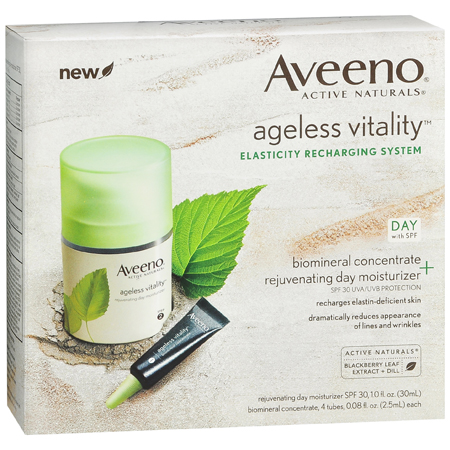
Elastin is what makes skin bounce back when pressed, an essential to firmness. We stop naturally producing elastin at about the same time as we hit puberty, but modern science can help! Scientists have found that dill extract will make more elastin for skin since our bodies won’t. Dill extract can be found in products such as Olay Pro-X Intensive Firming Treatment, Aveeno Ageless Vitality and DDF Restoring Night Serum.

3. DIY: Collagen


Collagen is what keeps your skin feeling soft and supple instead of a texture that resembles a tough leather bag. Retinoids are the key to making more collagen when your skin needs a little help. An overwhelming number of dermatologists agree that retinoids actually work. Retinoids can be found in Neutrogena Healthy Skin Anti-Wrinkle Cream.

4. Change the Dark to Light


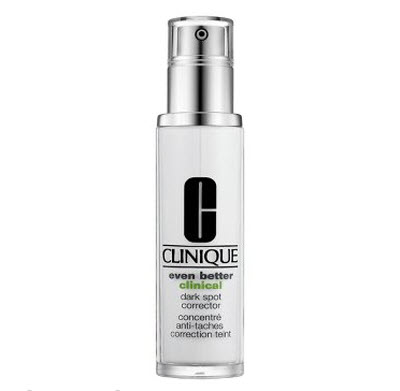
Studies show that dark spots can age your skin's appearance by 10-15 years. There are prescription options available to treat an uneven skin tone, however, some great nonprescription options include skin lighteners and exfoliators. Try Clinique Even Better Clinical Skin Tone Corrector, SkinCeutical Pigment Regulator or Vivite Vibrance, which has gotten great reviews. Apply these to your entire face - and not just over the dark spots! - then apply sunscreen (VERY important!). You should start to see fading in about three months.

5. Put Your Skin On a Diet


Research now shows that low levels of nutrients that are essential to skin’s health, like zinc and vitamin C, could slow skin’s ability to repair itself. Eat a diet rich in antioxidants (green tea, for example, can be a chic alternative to coffee and serve to help your skin too), fatty fish (salmon, a tasty option), dark green vegetables (broccoli, a favorite that works), almonds and walnuts. And don’t forget to drink plenty of water!

These tips are good for your skin but also good for over-all health; just remember, everything in moderation!

Follow Ashleigh on twitter

Tuesday, March 8, 2011

Spring/Summer Skin Care Lesson 101: Sunscreen

Most people who want to get a jump start on tanning for the spring and summer months have no idea how harmful and damaging the sun can be to their skin. When asked about skin protection, 3 out of the 5 students I spoke with weren't aware of why they needed to protect their skin or how to do so properly. Being the beauty buff that I am, I’m here to bring awareness to the importance of skin protection, but more importantly, to share with you ways to do so!

Reasons to protect your skin: Skin cancer, leathery skin and wrinkles! Oh my!

Studies show that exposure to ultraviolet light, UVA and UVB from sunlight account for 90% of the symptoms of premature skin aging such as skin cancers, wrinkles and leathery skin. Studies also show that the most important skincare defense against these signs of aging is sunscreen! If you don’t know what type of sunscreen to use or how, here’s sunscreen simplified:

  • Sunscreen ingredients can be divided into compounds that either block or absorb radiation. Dermatologists agree that a good sunscreen will be SPF 15 or higher and contain the following ingredients for optimal protection against harmful rays: avobenzone, titanium dioxide, or zinc oxide.
  • Dermatologists stress using the FULLY RECOMMENDED AMOUNT stated in the directions rather than the typical 25% that people use on average. When applied, sunscreen should leave a noticeable film on skin. It also takes approximately 30 minutes for sunscreen to be absorbed by the skin so it should be applied at least ½ an hour prior to going out into the sun.
  • Reapply promptly: most labels suggest reapplying every 2-3 hours, however, studies show that skin gets the best protection when sunscreen is reapplied 20-30 minutes after going into the sun. It is likely that this is because the proper amount isn't applied initially, so a second application 20-30 minutes after the first provides the proper amount of coverage needed to protect skin. Also reapply after swimming, sweating excessively or toweling.
  • Use sunscreen daily to protect moisture from drying out of skin.

Following these simple instructions can help protect you and your skin from the sun’s harmful rays and allow you the luxury of enjoying the warmth and beauty the sun has to offer without getting burned (in more ways one)! Sunscreen is an inexpensive way to extend the life of youthful radiant-looking skin, with prices ranging from $3-$30. Three of my favorites are:

Coppertone Sport Sunblock SPF 30

Neutrogena Ultra Sheer Dry-Touch Sunblock SPF 30

No-Ad Sunblock Lotion SPF 45

For daily facial application, I use L’Oreal Active Daily Moisture Lotion SPF 15. It moisturizes and protects without making my oily skin feel oilier or cause breakouts.

So now that you have all the information you need, you are armed to protect your skin from harm! For more information on the effects of skin’s exposure to the sun and how to protect it, just click here.

oXo,

Ashleigh

Follow Ashleigh on twitter

Thursday, January 20, 2011

Dear Shopping Savage...


Dear Shopping Savage,

This cold weather is giving me really dry skin. Any advice on a winter moisturizing routine?

Signed,

All Dried Out

------------

Dear A.D.O.,

Winter's can be really tough on skin for all the reasons you're already thinking: frigid temperatures + undetectable humidity = dry, sometimes itchy, skin. It should also be pointed out that heating systems and hot showers are also contributing to your dried out epidermis.

So for starters, try showering at night in warm water and lathering yourself in lotion after drying off. Limit your showers to just the one at night and plan it once you know you won't be heading back out into the cold moisture-wicking air. Before or during your shower is also a great time to exfoliate the skin and rid it of damaged, dry skin cells. Look for face washes, shower sponges and/or loofahs and pumice stones that will help scrub the skin but without being so abrasive that it does more harm than good.

Also think of investing in a humidifier to keep the air in your home (and office) moist. The obvious benefit here is this machine will prevent your skin from drying out as quickly and retain what moisture your lipid layer is able to produce.

You also want to think of moisturizing from within. Keep skin looking hydrated by drinking the daily recommended amount of water each day. Exercising in the winter also helps promote healthy looking skin because of the increased blood flow and circulation. And it should almost go without saying, but dress appropriately for cold weather. Protect your hands, head and feet with proper winter accessories. If you wear a skirt, pair it with tights. Wear layers when the temperature calls for it, but be sure that you are kept warm and dry through breathable fabric.

Other recommendations: sunscreen to keep your face protected from harmful UV rays that are present even in cold weather; sleeping in moisturizing gloves and socks at night; keep a travel-sized bottle of lotion with you to be applied after washing your hands in a public restroom; invest in a moisturizing lip balm.

If your skin still appears dry after putting an ample amount of these suggestions into your routine you may want to consult a dermatologist to be sure you don't have eczema. Either way, with proper care and diligence you should be able to get through this winter, and those ahead, with little trouble and even less troubled skin.

Need sartorial advice? Email me: ShoppingSavage@gmail.com